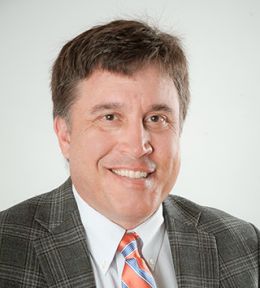
Midwest Mechanics Seminar: Samantha Daly

The School of Engineering, Applied Science, and Health presents its Midwest Mechanics seminar series featuring guest speaker Samantha Daly, professor in the Department of Mechanical Engineering at the University of California, Santa Barbara, who will present “Bridging Scales in Mechanics: Integrating Data-Rich Experiments with Symmetry-Aware Scientific Machine Learning.” This event is open to the public and will take place on Wednesday, October 7, from 12:45–1:45 p.m. in Room 104 of the Rettaliata Engineering Center.
Abstract
The hierarchical and heterogeneous nature of materials drives their complex deformation and failure mechanisms across multiple length and time scales. Understanding how the microstructural features of polycrystalline metals (e.g., grain orientations, texture evolution, defect interactions) govern their macroscopic mechanical response remains a key challenge in mechanics. Recent advances in experimental techniques, such as those in scanning electron microscopy (SEM) and in-situ characterization, now generate massive, high-resolution datasets that capture deformation processes as they unfold. However, extracting meaningful physics from these unprecedented volumes of multi-modal data requires more than traditional analysis. Conventional machine learning approaches often fail to capture the underlying physics and scale-bridging relationships that are essential for reliable predictive modeling. This talk explores how scientific machine learning can bridge these scales when built on trustworthy foundations. We will discuss why enforcing known physical constraints, particularly material symmetries ranging from crystallographic symmetries at the grain level to texture-induced anisotropy at larger scales, is essential for creating trustworthy models for scientific discovery. By embedding these intrinsic symmetries, models become more interpretable, data-efficient, and physically consistent, directly addressing critical limitations of black-box approaches. Through examples of scanning electron microscopy-based datasets, this talk will demonstrate how integrating rich experimental data with physics-informed architectures can enable trustworthy, interpretable models that respect the fundamental principles governing material behavior and reveal new insights into multi-scale deformation mechanisms.
Biography
Samantha (Sam) Daly is a professor in the Department of Mechanical Engineering at the University of California, Santa Barbara. She earned her Ph.D. from the California Institute of Technology in 2007, and subsequently joined the University of Michigan, where she was on the faculty until 2016 prior to her move to UCSB. Her research interests lie at the intersection of experimental mechanics and scientific artificial intelligence, with the goal of advancing the understanding of deformation and failure mechanisms in advanced metallic and composite materials. Daly is a fellow of ASME and currently serves as chair of the ASME Applied Mechanics Division (AMD) and on the Executive Boards of the Society for Experimental Mechanics (SEM) and the U.S. National Alliance for Theoretical and Applied Mechanics (US/NATAM).
Event Contact