Chicago-Kent Professor Celebrates MC Lyte’s Rock & Roll Hall of Fame Induction
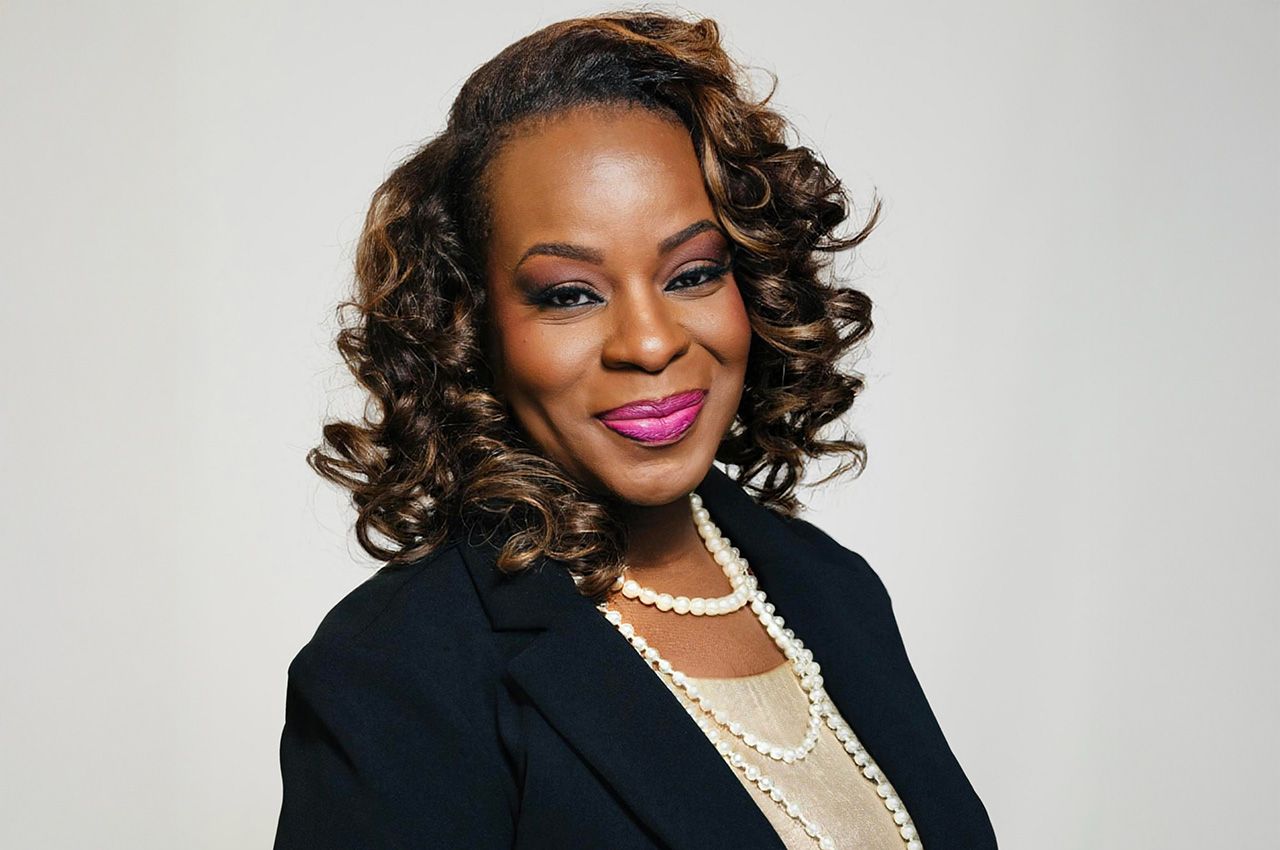
In November, Chicago-Kent College of Law Assistant Clinical Professor Michelle J. Miller flew to Los Angeles to celebrate a major milestone for her client, Lana “MC Lyte” Moorer: her induction into the Rock & Roll Hall of Fame’s Class of 2026.
In 2021, Miller worked with hip-hop pioneer Moorer’s COO, Lynn Richardson to secure federal trademark registration for Moorer’s stage name, MC Lyte®—a name that she has been known by since she was a teenager…She is also known for declaring, “I am the LYTE” which is a well-known rap lyric that speaks of her name and her work illuminating a path for others to follow.
The federal trademark registration of MC Lyte® marked a significant milestone in protecting the professional identity and legacy she has built over decades, strengthening her legal rights in her stage name and reinforcing its value as both a recognized entertainment brand and a commercial asset.
“MC Lyte has spent decades making history in hip-hop, breaking barriers, setting new standards, and inspiring generations of artists. Securing federal trademark registration for the legendary stage name of a trailblazer whose influence extends far beyond music and whose contributions have earned her a permanent place in hip hop history expanded my legal practice,” Miller says.
MC Lyte was honored with the Early Influence Award during her induction into the Rock & Roll Hall of Fame. In a landmark legal achievement, Miller’s strategic representation secured federal trademark registration for MC Lyte, solidifying the legendary artist’s exclusive trademark rights in her iconic stage name and establishing a powerful legal foundation for her continued influence in entertainment and business.
“An entertainer, influencer, or athlete may have spent years building a career and reputation around their name, but the right to use a name professionally is not necessarily the same as owning the registered federal trademark rights associated with that name,” says Miller.
An artist based overseas held a United States federal trademark registration for a similar name, prompting the U.S. Patent and Trademark Office to initially refuse the federal trademark registration of MC Lyte’s stage name. Miller responded with a legal argument that exceeded 30 pages.
“To date, this was one of the toughest federal trademark registrations that I have secured,” Miller says.
The examining attorney ultimately withdrew the objections based on Miller’s persuasive legal arguments, allowing the registration to proceed. The successful legal outcome has had significant implications for MC Lyte’s business interests and professional identity.
“Federal trademark registration strengthens her ability to control how her name is used in commerce and prevent unauthorized commercial exploitation, particularly within the entertainment industry. As a federally registered trademark, her stage name also provides opportunities to expand her business interests, develop new revenue streams, and pursue ventures that build upon her established reputation and influence,” says Miller.
Under Miller’s leadership, students at Chicago-Kent’s Intellectual Property, Entertainment, and Entrepreneurship Law Clinic frequently gain hands-on legal experience while helping other clients obtain federal trademark registrations for their valuable brand assets in addition to securing their name, image, and likeness rights through.
She recommends artists do this as early in their careers as possible. In the past, she says it was quite common for early career artists to be required to sign agreements these rights to record labels and entertainments companies. Dwayne “The Rock” Johnson is one high-profile example: He only obtained control of his stage name from the WWE in 2024.
“I believe social media has afforded people so many opportunities to work independently or with the label that there’s more room available for negotiating the rights to their names,” Miller says. “I also believe their or more threats to people misusing someone’s professional name and image with the expansion of social media use, especially in the age of artificial intelligence. A name can become one of the most valuable assets associated with a person's career. Entertainers, athletes, entrepreneurs, and other professionals build recognition and commercial value around their names, making it essential to establish trademark rights early as possible. It strengthens their legal ability to control, protect, and commercially benefit from their brand identities. My legal work focuses on securing these rights proactively, positioning clients to maintain control and capitalize on the commercial value of the brands they are building.”
Miller’s work with MC Lyte reflects the clinic’s broader mission of helping entertainers, entrepreneurs, and business owners protect and monetize their intellectual property.
“I want artists, influencers, and entrepreneurs to understand that trademark ownership can give people the legal right to control how their brand name is used,” Miller says.
For MC Lyte, the Hall of Fame induction celebrates a legacy that has helped shape hip-hop.
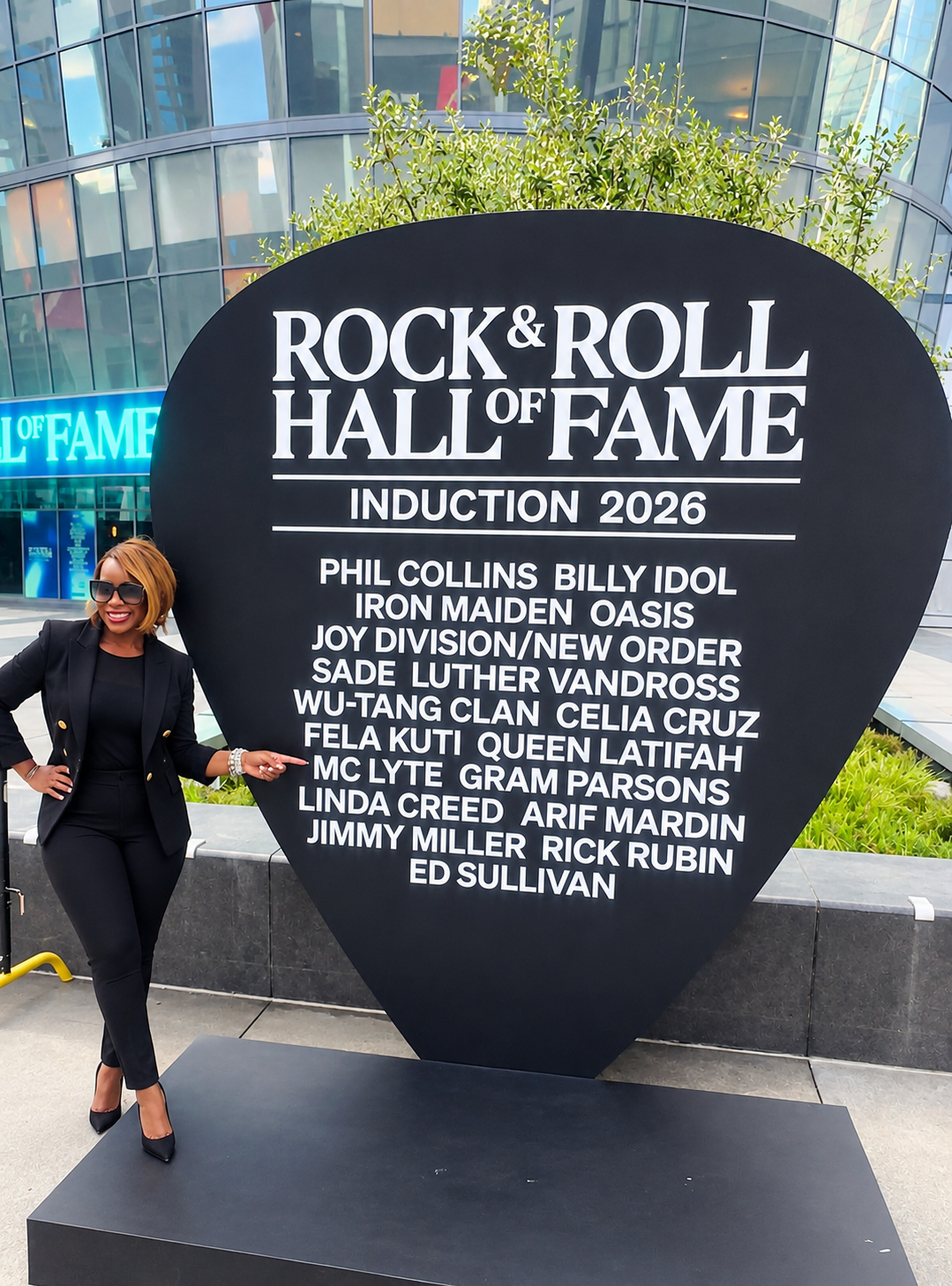
Michelle Miller at the Rock and Rock Hall of Fame awards in Los Angeles